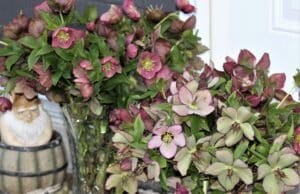
There’s a particular kind of quiet magic in the garden at the turning of the year—when the snow is thinning, the light is sharpening, and the first brave blooms appear as if they’ve been waiting just under the surface.
That’s hellebore season. Hellebores (Helleborus), often called Lenten rose, are among the very best early spring flowers for Canadian gardens: cold-hardy shade perennials that open in late winter to early spring and carry their nodding blooms well into late spring.
If you’re planting a shade garden, a woodland garden, or a quiet understory border, hellebores offer weeks of bloom, evergreen structure, and reliable perennial performance.
They’re slow to settle in—rather like peonies—but once established, they become the steady heartbeat of a spring garden.
Planting hellebores: timing, site, and soil
When to plant: For the strongest start, plant hellebores in spring or fall—the classic windows for establishing hardy perennial plants before heat or deep cold sets in.
Light: Hellebores are shade-loving perennials. Choose partial shade to dappled shade—a woodland edge, under deciduous trees, or along the north/east side of a building where spring light reaches the plants before the canopy closes.
Soil: Hellebores thrive in rich, well-drained soil with plenty of organic matter. Think woodland soil: loose, humus-rich loam built from years of leaf litter. A yearly top-dressing of compost or well-rotted leaf mould helps keep moisture even while preventing waterlogging—ideal conditions for healthy roots and abundant blooms.
Spacing: Space hellebores about 18 inches apart so each plant can form a generous clump—perfect for a shade border or woodland garden bed. In a 30-inch bed, plant two rows and stagger them in a zig-zag pattern for a natural, layered look.
Evergreen foliage: what to expect
Hellebores are an evergreen perennial, which means they add real winter interest and structure to the shade garden. Their leaves don’t die back each year the way many perennials do. Older foliage will eventually fade and wither, but not necessarily with the first fall freeze—leaves can persist for several years before they need to be tidied away, keeping the garden looking alive even in the shoulder seasons.
Bloom time and harvesting for the vase
Hellebores are prized for their late winter flowers and early spring blooms—often opening while the weather is still cool (or freezing). They’re also wonderfully long-blooming perennials, continuing to flower through late spring and bridging the gap between winter and the first flush of spring bulbs.
Cut-flower tip: It’s tempting to snip the first fresh faces the moment they open—but hellebores like to be cut when they’re a little older. If you harvest too early, the stems can refuse to drink and the blooms may droop for good. Wait until the flowers have “set” on the plant: the petals feel slightly papery and you can spot the tiny seed pods beginning to form in the centre (usually 1–2 weeks after opening). Cut then, and you’ll be rewarded with spring cut flowers that hold beautifully in garden bouquets and arrangements, with a longer vase life—often a week or more.
If you’re building a garden (or even a small cutting patch) that shines early in the season, hellebores are a foundational choice—reliable, elegant, and surprisingly tough. They pair beautifully with snowdrops, early narcissus, and other spring-blooming perennials and shade garden plants.
For more seasonal gardening tips, perennial growing advice, and plants join my newsletter, ‘Home on the Grange’ (a play on Granger’), at seedsofimbolc.ca. homepage. Follow on Instagram @seedsofimbolc or FB